Dump Truck of Hearts Embroidery Design Review
First Impressions: Whimsy Meets Hardworking Charm
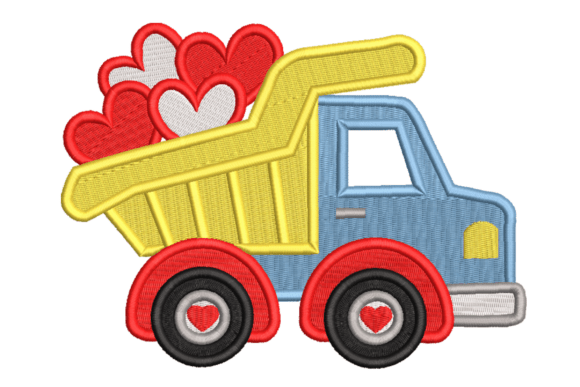
When I first opened the Dump Truck of Hearts file, I immediately smiled. This machine embroidery design has that rare mix of playful energy and warm nostalgia that stops a craft fair shopper in their tracks. It isn’t just another Valentine’s Day motif—it’s a tiny construction vehicle hauling a load of hearts, and that visual story is what makes it so memorable. For anyone running a handmade product booth, that instant readability is pure gold. The design reads as bold, cute, and quietly emotional all at once. It doesn’t shout; it just feels like a tiny hug on fabric.
From a designer’s perspective, the mood is versatile. It leans toward a modern rustic or farmhouse-cute aesthetic, but with the right thread colors it can shift into bright, boutique-kid territory or even soft, minimalist decor. The dump truck frame gives it structure, while the hearts fill it with sweetness. That contrast is exactly what I look for in a craft fair product—it appeals to multiple buyer types without feeling confused.
I could already picture it on a canvas tote bag, stitched in cherry red and soft gray, catching the eye of a mom looking for a teacher gift or a grandmother picking up something for a little one. The personality is friendly, slightly nostalgic, and entirely giftable. It’s the kind of design that makes people say, “Oh, that’s so cute!” before they even check the price tag.
Where This Design Shines in a Craft Fair Booth
Not every embroidery file translates well to a busy weekend market. Some designs are too detailed, too subtle, or too niche. The Dump Truck of Hearts thrives in that environment because it’s instantly understood. A customer walking by can process the image in a second, and that’s critical when you have only a few feet of table space to capture attention. Here’s how I’d build a product line around it.
Tote Bags and Market Bags
A sturdy canvas tote or a natural cotton market bag is my top choice for this design. The large flat surface gives the embroidery room to breathe, and the dump truck’s boxy shape fills the space beautifully. Stitch it centered on the front panel, maybe 5 to 6 inches wide, and pair it with a bold heart-red thread for the load. The contrast against oatmeal or natural canvas is striking. I’d make a few samples with the design placed slightly off-center for a more modern, artsy feel. These tote bags become walking advertisements at farmers’ markets, and they’re an easy upsell for anyone already buying smaller items at the booth.
Aprons and Kitchen Textiles
This design feels right at home on a half-apron or a tea towel. For an apron embroidery project, I’d position the dump truck on the bib or near the hem, keeping the thread count manageable so the fabric drapes well. Tea towels are a craft fair staple, and the Dump Truck of Hearts adds a gentle, handmade touch without overwhelming the kitchen. I recommend flour sack cotton or a smooth linen-blend towel—anything with too much texture can compromise the small hearts. A toned-down color palette like dusty rose, slate blue, and cream works beautifully for a farmhouse kitchen vibe, while bright red and turquoise pop for a more playful look.
Embroidered Patches and Small Accents
For the embroidered patch market, this design is a winner. Scaled down to about 3 inches, it becomes a charming iron-on or sew-on patch perfect for jean jackets, backpacks, or kids’ denim. You’ll need to watch the smallest hearts at that size—thread breaks or blurring can happen if the stitch density is too high for such tight curves. I always test the design on a scrap of twill before committing to a batch. If the file includes tiny details, I might simplify the smallest hearts manually or choose a slightly larger patch size. Finished patches pinned to a kraft card with a simple “You’re My Heavy Load of Love” tag sell out fast around Valentine’s Day, but honestly, they move all year round.
Kids’ Apparel and Gift Items
On a toddler tee or a baby onesie, the Dump Truck of Hearts is pure magic. The design is soft enough for a little one, yet sturdy enough to withstand washing. I’d avoid dense stitch areas on thin knit fabrics—always use a quality cutaway stabilizer to prevent puckering. For a small shop product, a set of three coordinating pieces (a bib, a onesie, and a tiny tote) makes a beautiful gift bundle. The design’s inherent sweetness and gender-neutral appeal make it a safe bet for baby showers and first birthdays, too.
Production Smarts for the Practical Maker
As a working embroidery designer, I know that a gorgeous design is only half the story. The other half is how it stitches out, how it photographs, and how reliably it can be reproduced for a commercial embroidery run. Here’s what I’d keep in mind before loading the hoops.
Stitch Density and Detail Watchpoints
The Dump Truck of Hearts likely has a good mix of solid fills and delicate outlines, based on the description. The truck body probably involves some dense stitching for that solid, “tough” look, while the hearts might be lighter or use a satin stitch. I always check the stitch density on the truck’s wheels and the heart edges—overly dense areas can make the fabric stiff or cause needle breaks. If the hearts are small, I watch for thread bunching. A quick test on a scrap of the intended fabric is non-negotiable. The description says it’s “easy to stitch,” so I’m optimistic that the digitizing is clean and well-pathed.
Fabric and Stabilizer Choices
This design is forgiving, but fabric texture can make or break the final look. On a thick, textured towel, the tiny hearts might lose definition. I’d reserve tea towel use for smooth, tight-weave cottons. For a curved cap surface, the tall dump truck shape could be tricky—I’d probably stick to flatter cap fronts or use a cap-specific hoop and adjust the design placement carefully. A medium-weight cutaway stabilizer is my go-to for tote bags and aprons; for thin knits, a no-show mesh stabilizer preserves the soft feel. Always test on the exact fabric blend you’ll sell, because thread tension and stitch appearance can shift dramatically between a cotton-poly apron and a 100% linen towel.
Hoop Size and Placement Flexibility
Before purchasing, confirm the design’s hoop size requirement. The description doesn’t specify, so I’d check the file dimensions and ensure it fits my most-used hoops. A design that demands a giant hoop might limit how many I can produce per hour, while a version that fits a 4x4 or 5x7 hoop is much more agile for batch production. The Dump Truck of Hearts seems like it would reduce or enlarge cleanly, but I’d never assume—always stitch a test at the intended size and watch for distortion.
Booth Display and Photography That Sells
At a craft fair, your display is your silent salesperson. I’d hang a finished tote bag on a wooden crate or pegboard at eye level, letting the design face outward. The Dump Truck of Hearts has a natural forward motion that draws the eye across the fabric. I’d also lay a tea towel flat on a vintage-style tray with a few sprigs of dried lavender—it frames the rustic charm beautifully. For Etsy sellers, this design photographs like a dream. A flat lay on a textured white background with a couple of wooden heart buttons scattered nearby tells the story instantly. The design’s crisp lines and sweet subject matter create a printable mockup that looks professional and inviting. Strong product photography is non-negotiable for a digital embroidery file listing, too—show the design stitched on at least three different backgrounds so buyers can visualize the possibilities.
Thread Colors and Visual Impact
I’d encourage any maker to play with thread colors. The classic red-and-gray combo is a safe seller, but don’t sleep on the charm of dusty rose, sage green, or even golden yellow for the hearts. The dump truck itself can be a deep navy or a soft charcoal, giving the design a completely different feel. The key is contrast—the hearts need to pop against the truck bed, and the truck needs to stand out from the fabric. Before committing to a full production run, I stitch one sample with a few thread variations and keep them on hand for customers to see. This also helps when showing the design to wholesale buyers or planning a cohesive small shop product line.
Building a Brand Moment Around a Single Design
One of the smartest moves I’ve ever made at a craft fair was building a small “collection” around a single machine embroidery design. With the Dump Truck of Hearts, you can create a unified booth story: a tote, a pouch, a tea towel, and a patch, all in coordinating colors. The repetition reinforces the brand, and customers often buy multiple pieces because they see the story. It’s a handmade product line that feels curated, not random. I’d also consider offering a digital embroidery file option for other crafters, if the license allows—this opens up an additional revenue stream on Etsy or a maker’s website. Always verify the commercial license terms before selling finished items or digital files. The description doesn’t detail usage rights, so I’d reach out to the designer or check the purchase agreement carefully.
Practical Reminders from the Worktable
Before you cut fabric and fill bobbins, here are a few non-negotiable steps I take with every new design, including the Dump Truck of Hearts:
- Test stitch on the exact fabric you’ll sell—not a different weight or blend.
- Check thread contrast on both light and dark fabrics. The hearts may disappear on a dark background if the thread isn’t bright enough.
- Review the stitch order and spacing to avoid gaps or overlapping issues.
- Confirm the hoop size is compatible with your machine and that the design doesn’t max out the hoop edge, which can cause registration problems.
- Inspect stitch density, especially around small details like the heart outlines or wheel spokes.
- Use the right stabilizer for the fabric type—cutaway for knits, tear-away for woven, and a topper for fluffy towels.
- Create at least one real mockup, not just a digital rendering, to see how the design sits on the finished product.
- Compare the design on fabric colors you actually plan to sell. The truck’s color might need tweaking if the background is too similar.
- Confirm commercial licensing before you sell any finished product. This is critical for handmade business owners and Etsy sellers.
Final Thoughts from the Embroidery Worktable
The Dump Truck of Hearts is the kind of design that quietly builds a loyal following. It’s not flashy, but it’s memorable. It’s not overly complicated, but it carries a lot of feeling. For a craft fair booth, it checks every box: fast to stitch, easy to photograph, and versatile enough to appear on a dozen different products without feeling repetitive. I’d stock it on tote bags, tea towels, and patches as my core lineup, then add a few aprons and baby items for variety. The Valentine’s Day connection is obvious, but the design’s appeal stretches far beyond a single holiday. It’s a celebration of love, hard work, and a little bit of whimsy—and that’s a message that sells all year long.
If you’re an embroidery business owner, an Etsy seller, or a creative entrepreneur building your next market collection, the Dump Truck of Hearts deserves a spot in your stitch library. Just remember to test, test, test, and then let the design do what it does best: make people smile and reach for their wallets.